
Many professionals are recognizing the urgent need for cybersecurity expertise in today’s digital landscape. As cyber threats become increasingly sophisticated, your role in this field becomes vital. By exploring strategic career moves and gaining relevant skills, you can make a significant impact on securing sensitive information and protecting organizations from potential breaches. This blog post will provide you with valuable insights on how to elevate your cybersecurity career and contribute effectively in this dynamic environment.
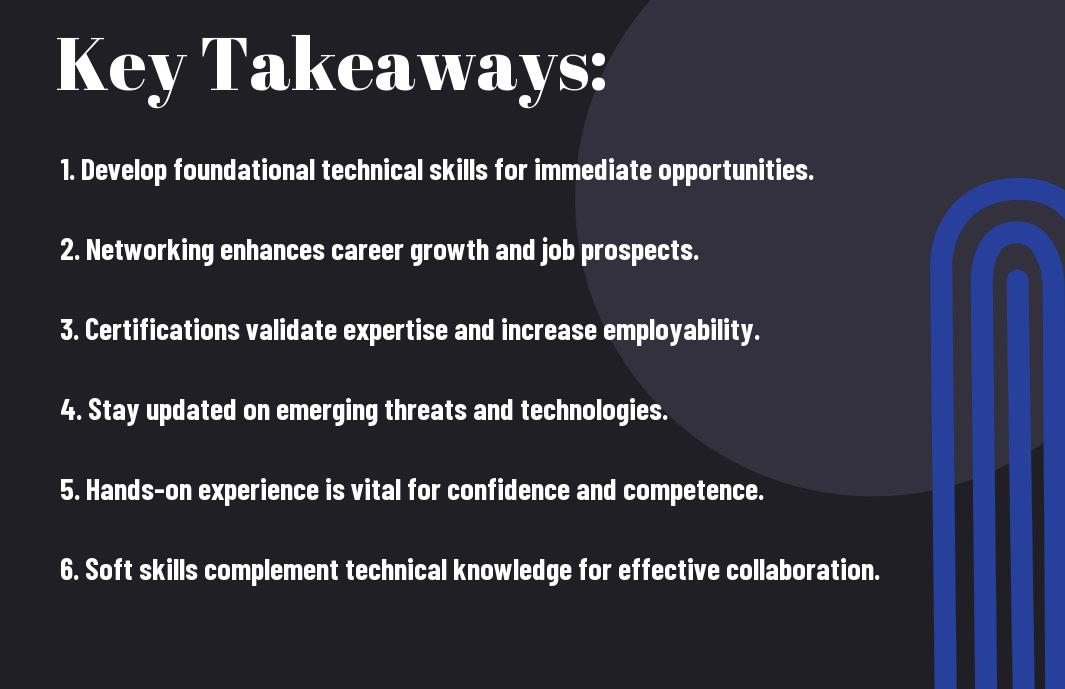
Key Takeaways:
- Understanding various roles in cybersecurity, such as risk management, threat analysis, and incident response, helps in identifying the best career path.
- Hands-on experience through internships, certifications, and practical projects enhances your skillset and increases attractiveness to potential employers.
- Networking with professionals through conferences, online forums, and workshops can provide valuable insights and job opportunities in the cybersecurity field.
- Continuous learning is imperative; staying updated with the latest trends, tools, and threats in cybersecurity helps maintain relevance in a rapidly evolving industry.
- Soft skills, such as communication and problem-solving, are as important as technical skills in navigating cybersecurity challenges and collaborating effectively within teams.
Understanding the Cybersecurity Landscape
As you navigate the dynamic realm of cybersecurity, it’s vital to grasp the diverse elements shaping the industry’s evolution. With an increasing reliance on technology, organizations are confronted with various security threats that continuously adapt. Your understanding of this landscape will inform your career decisions, helping you identify opportunities that align with your strengths and interests.
Current Trends and Challenges
Along with rapid technological advancements, cyber threats are becoming increasingly sophisticated, requiring businesses to stay ahead of the curve. You should be aware of emerging trends such as artificial intelligence’s role in threat detection, the rise of remote work vulnerability, and growing concerns over data privacy. These factors present both challenges and opportunities in your cybersecurity journey.
Key Roles and Responsibilities
The field of cybersecurity encompasses various roles, each with specific responsibilities that contribute to a robust security posture. As you explore career paths, you’ll find positions such as security analysts, penetration testers, and compliance officers, each playing a vital role in protecting an organization’s data and systems.
Hence, understanding the key roles available in cybersecurity is crucial for you to decide which path suits your skills and aspirations. Security analysts focus on monitoring and responding to threats, while penetration testers simulate attacks to identify vulnerabilities. Compliance officers ensure that organizations adhere to regulations and standards, safeguarding sensitive information. By aligning your interests with these roles, you’ll enhance your ability to make an immediate impact in the field.
Essential Skills for Cybersecurity Professionals
While technical knowledge is foundational in cybersecurity, a well-rounded professional must also possess a diverse skill set that includes both technical proficiencies and soft skills. By enhancing your capabilities in these areas, you can significantly boost your effectiveness and impact within the industry.
Technical Proficiencies
Between network security, cryptography, and incident response, mastering various technical proficiencies is vital for your success as a cybersecurity professional. Staying updated with the latest technologies and understanding their applications will better equip you to manage threats and protect sensitive information.
Soft Skills and Leadership Qualities
Cybersecurity is not just about technical skills; it requires a strong set of soft skills and leadership qualities. Your ability to communicate effectively and work collaboratively will enhance your capacity to build relationships and manage teams, which are vital in handling security incidents and driving strategic initiatives.
Even as you develop your technical expertise, investing time in improving your emotional intelligence, problem-solving capabilities, and adaptability will pay dividends in your cybersecurity career. Strong leadership qualities help you to inspire your team and stakeholders, ensuring that everyone is aligned with security best practices and objectives. By blending these skills, you position yourself as a well-rounded professional ready to tackle today’s dynamic cybersecurity challenges.
Pathways to a Cybersecurity Career
Not every cybersecurity professional comes from a traditional IT background. You can enter this dynamic field through various pathways, including formal education, self-study, and hands-on experience. It’s vital to explore these options to find the route that aligns with your skills and interests, ultimately paving the way for your successful career in cybersecurity.
Educational Backgrounds
Below are several educational options that can set the foundation for your cybersecurity career. You might opt for a degree in computer science, information technology, or cybersecurity itself. Online courses and boot camps are also highly effective for gaining vital skills quickly, making it easier for you to transition into this exciting field.
Certifications and Continuous Learning
Among the most effective ways to enhance your credentials in cybersecurity are specialized certifications and ongoing education. You can pursue certifications such as CompTIA Security+, Certified Ethical Hacker (CEH), or Certified Information Systems Security Professional (CISSP) to demonstrate your expertise and commitment to the field.
Another vital aspect of advancing your cybersecurity career is investing in continuous learning. The cybersecurity landscape is always evolving, and by regularly updating your knowledge through workshops, webinars, and professional organizations, you position yourself as a knowledgeable and adaptable candidate. Staying informed about the latest threats and mitigation strategies will not only bolster your resume but also make you an invaluable asset to any organization.
Building a Professional Network
All aspiring cybersecurity professionals understand the importance of building a strong professional network. A well-established network can open doors to job opportunities, mentorships, and valuable insights within the industry. Engaging with peers in cybersecurity allows you to exchange ideas, stay updated on trends, and foster collaborations that can propel your career forward. By connecting with others in the field, you position yourself for growth and greater influence within the cybersecurity landscape.
Importance of Networking in Cybersecurity
Any cybersecurity professional can attest that networking plays a vital role in career advancement. It enables you to cultivate relationships that may lead to recommendations, job openings, and insider knowledge about industry developments. By interacting with experienced practitioners, you gain valuable insights, share experiences, and enhance your credibility in the field. Ultimately, a solid network can help you navigate challenges and create opportunities for your professional journey.
Leveraging Social Media and Professional Organizations
On your path to building a reliable professional network, leveraging social media platforms and joining professional organizations can significantly enhance your outreach efforts. These channels allow you to connect with fellow cybersecurity enthusiasts, industry experts, and potential employers. You can engage in discussions, share relevant content, and showcase your expertise through platforms like LinkedIn, Twitter, and forums dedicated to cybersecurity topics. By actively participating in professional organizations, you gain access to a wider community, along with resources like conferences, workshops, and webinars that foster learning and connection.
Networking is not just about expanding your contact list; it’s about building meaningful relationships within the cybersecurity community. Engage actively on social media by sharing insightful content, following industry leaders, and participating in discussions. Join organizations like ISACA, (ISC)², or local cybersecurity groups to immerse yourself in the community. Attend events, and webinars, and collaborate on projects, as these interactions can lead to invaluable mentorship opportunities and new career paths, helping you thrive in your cybersecurity journey.

Gaining Practical Experience
Despite the importance of formal education in cybersecurity, gaining practical experience is necessary for building your skill set and enhancing your resume. Engaging in hands-on activities allows you to apply theoretical knowledge in real-world situations, better preparing you for the challenges ahead. By actively seeking out opportunities to practice your skills, you can significantly improve your employability and insight into the cybersecurity landscape.
Internships and Entry-Level Positions
Among the best ways to gain practical experience in cybersecurity are internships and entry-level positions. These opportunities allow you to work under seasoned professionals, providing you with invaluable insights and exposure to industry techniques. Many companies seek enthusiastic candidates for roles in technical support, security analysis, or IT assistance, enabling you to build a foundation in cybersecurity while establishing meaningful connections.
Volunteer Opportunities and Projects
Along with internships, consider exploring volunteer opportunities and hands-on projects to further develop your skills. Many nonprofit organizations, educational institutions, and community groups often seek help in enhancing their cybersecurity measures. Volunteering not only allows you to contribute positively but also helps you gain experience and showcase your commitment to the field.
It is beneficial to seek out local nonprofits or online platforms that require assistance with cybersecurity awareness, training, or security assessments. Participating in community-driven projects, such as cybersecurity workshops or safety campaigns, allows you to collaborate with others who share your interests. This not only boosts your experience but also enables you to expand your professional network, creating potential future employment opportunities in the cybersecurity domain.
Standing Out in the Job Market
To excel in the cybersecurity job market, you need to highlight your unique skills and experiences. Emphasizing your technical expertise, relevant certifications, and hands-on projects will set you apart from other candidates. Tailoring your application materials to the specific job requirements and showcasing your adaptability within this ever-evolving field is important. By actively networking and engaging with industry professionals, you can increase your visibility and create more opportunities for yourself.
Crafting a Compelling Resume
Beside showcasing your qualifications, your resume should reflect your passion for cybersecurity. Include key achievements and demonstrate your ability to solve real-world security challenges. A well-organized and easily navigable format will help recruiters quickly see the value you bring, making it easier for you to get noticed.
Succeeding in Interviews
Before heading into an interview, it’s important to do thorough preparation. Familiarize yourself with common cybersecurity scenarios and be ready to discuss how you would approach real-world problems. Practice articulating your thoughts clearly, as effective communication can often be as important as technical skills.
For instance, many interviewers may present you with a hypothetical security breach scenario and ask how you would handle it. Take this opportunity to demonstrate your analytical skills and thought process. Be prepared to explain your reasoning, the tools you would use, and how you would collaborate with a team to mitigate risks. Providing specific examples from your past experiences can enhance your credibility and show your problem-solving capabilities.
Summing up
Considering all points discussed, pursuing a career in cybersecurity can lead to substantial immediate impact, both for your personal growth and the safety of the digital landscape. By actively enhancing your skills, networking with professionals, and staying updated on emerging threats, you position yourself as an necessary asset in this dynamic field. Embrace continuous learning and seek hands-on experience to solidify your expertise. Your proactive approach to cybersecurity can create opportunities for advancement while contributing significantly to safeguarding vital information and systems worldwide.
FAQ
Q: What are the most common roles available in cybersecurity?
A: Cybersecurity offers a variety of roles, each focusing on different aspects of protecting information systems. Common positions include Security Analysts, who monitor and protect systems from threats; Penetration Testers, who simulate attacks to identify vulnerabilities; Incident Responders, who address and mitigate security breaches; and Security Architects, who build and design secure systems. Additionally, there are roles like Compliance Officers and Risk Managers that focus on regulatory and risk assessment aspects of cybersecurity.
Q: What skills are necessary for a successful career in cybersecurity?
A: A successful cybersecurity professional should possess a blend of technical and soft skills. Key technical skills include knowledge of networking, programming, threat analysis, and familiarity with various security tools. Additionally, certifications such as CompTIA Security+, Certified Information Systems Security Professional (CISSP), or Certified Ethical Hacker (CEH) can enhance credibility. Soft skills like critical thinking, problem-solving, communication, and teamwork are also important, as they’ll often work in collaborative environments addressing complex security challenges.
Q: How can I get started in a cybersecurity career with little to no experience?
A: Starting a career in cybersecurity without prior experience is possible. One approach is to pursue education through degree programs or online courses focused on cybersecurity fundamentals. Engaging in internships, volunteer opportunities, or entry-level positions can provide practical experience. Additionally, participating in cybersecurity competitions, using online platforms to practice skills, and networking with professionals in the field can significantly enhance your knowledge and connections, increasing your chances of landing a job.
Q: What are the future trends in cybersecurity that professionals should be aware of?
A: The future of cybersecurity is expected to evolve significantly due to various trends. The rise of Artificial Intelligence and Machine Learning will likely play a pivotal role in enhancing security measures and automating threat detection. Additionally, as remote work remains prevalent, cloud security and securing remote access become increasingly important. The growth of the Internet of Things (IoT) also calls for specialized security measures. Staying updated on regulations, such as data privacy laws, will be vital for compliance-oriented roles in cybersecurity. Professionals should continuously learn and adapt to these trends to remain relevant in the industry.
Q: What networking opportunities exist for cybersecurity professionals?
A: Networking is necessary for cybersecurity professionals to share knowledge and advance their careers. Numerous opportunities exist, including attending industry conferences, workshops, and seminars that focus on cybersecurity topics. Joining professional organizations like (ISC)² or ISACA allows members to connect with peers and stay updated on industry developments. Online forums and communities, such as LinkedIn groups or cybersecurity-specific platforms, also provide avenues for engaging with others in the field. Building a solid network not only leads to job opportunities but also enhances knowledge sharing and collaboration.